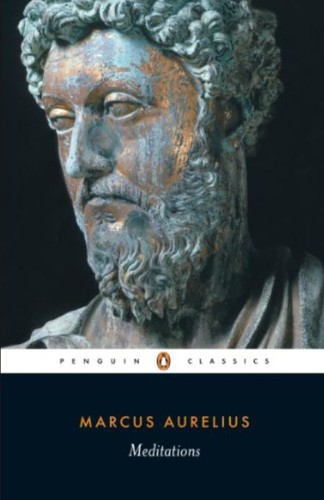
Meditations
by Marcus Aurelius
The private journal of a Roman emperor and Stoic philosopher — timeless, practical reflections on focusing only on what you control, judging your impressions, living for virtue, accepting fate, and using mortality to live well now.
Why read this
Meditations was never written for you — or for any reader at all. It is the private notebook of Marcus Aurelius, emperor of Rome from 161 to 180 AD and one of history's most powerful men, written to himself in snatched moments, much of it on military campaign on the empire's frozen northern frontier. (He dates one book "among the Quadi at the Granua," another "at Carnuntum.") These are not essays or sermons; they are reminders — a ruler drilling his own soul in the principles he wanted to live by, often repeating himself, arguing with himself, steadying himself against grief, exhaustion, flattery, and the temptations of absolute power.
That is exactly why it has lasted two thousand years. Stripped of system, it is Stoic philosophy as lived practice: how to stay free, useful, and unshaken in a world you mostly cannot control.
This summary distills the whole of the twelve books into the ideas Marcus returns to again and again:
- The dichotomy of control — pour your energy only into what is genuinely up to you.
- It's your judgments, not events, that disturb you — and judgments are yours to revise.
- Memento mori — keep death in view, and live fully in the only thing you ever have: now.
- Virtue is the only true good — everything else is "indifferent."
- You were made for other people — justice, and how to handle difficult ones.
- The view from above — perspective that shrinks your worries and your appetite for fame.
- Amor fati — welcome whatever the nature of the whole sends you.
- The daily practice — the morning intention, the evening review, and keeping a few principles always ready to hand.
Read a chapter, then pick one idea and put it to work the same day. That is how Marcus meant his notes to be used — and the only way they do any good.
Remember this, that very little is needed to make a happy life.